What Awaab's Law means for tenants and landlords in Sussex
Updated
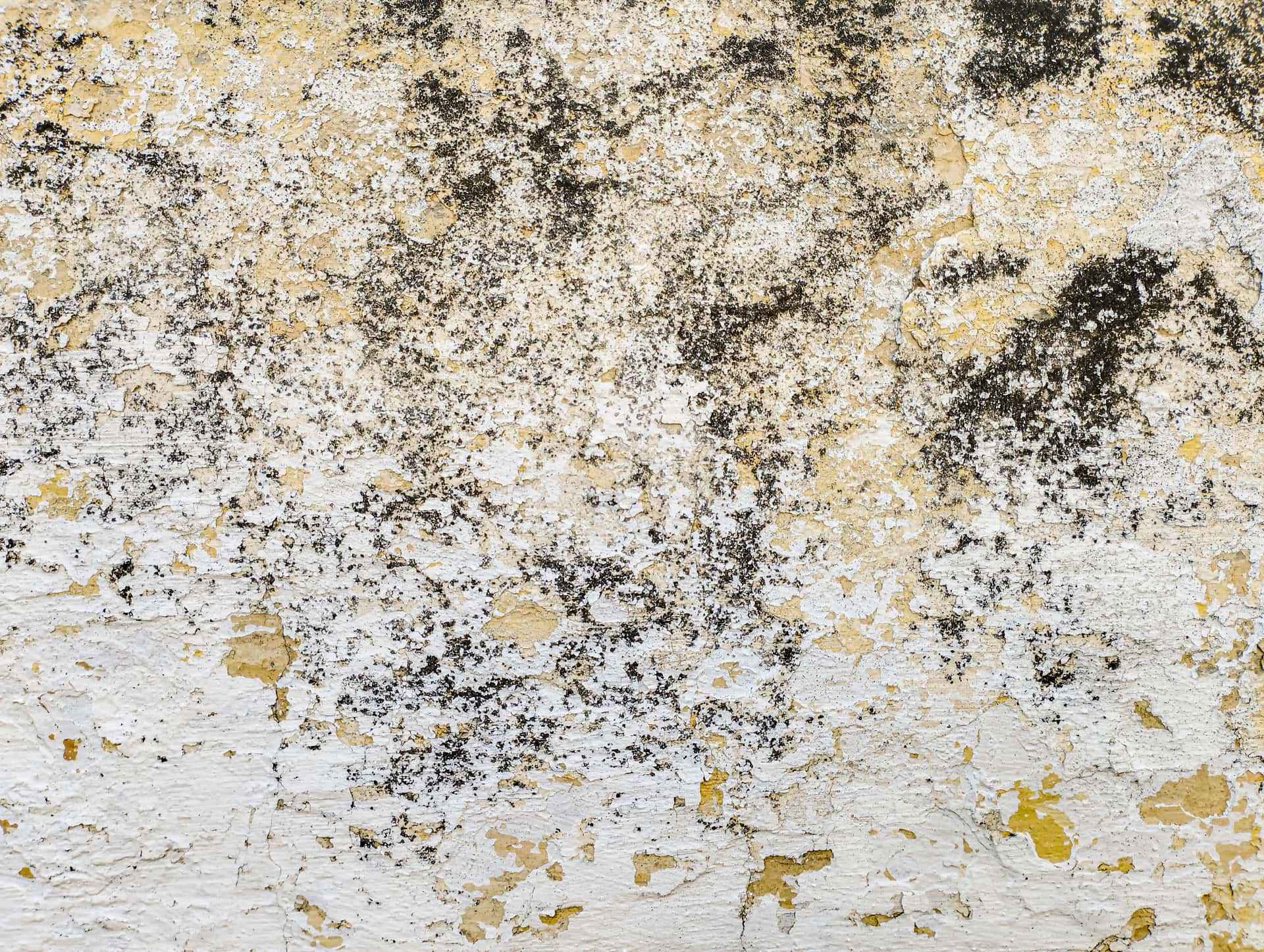
In 2017 a family in Rochdale reported mould in their one-bedroom flat. Their housing association told them to paint over it.
The mould came back, as it does, and they kept reporting it. On 21 December 2020 their son, Awaab Ishak, died aged two. The coroner found that prolonged exposure to mould in the home had caused his death, and asked the question the whole housing sector should have been asking: “How in the UK in 2020 does a two-year-old child die as a result of exposure to mould?”
Awaab’s Law is the answer Parliament eventually gave.
Social landlords now work to a timetable
Since 27 October 2025, councils and housing associations in England have had to deal with damp and mould to fixed deadlines. The regulations set them out:
- an emergency hazard must be made safe within 24 hours
- a significant hazard, including serious damp and mould, must be investigated within 10 working days of the landlord becoming aware of it
- the tenant gets a written summary of what was found within 3 working days of the investigation
- the work to make the home safe must be finished within 5 working days of the investigation
- longer-term work to stop it coming back must start within 12 weeks at the latest
If the home can’t be made safe in time, the landlord has to put the family somewhere else, at no cost to them. Working days leave out weekends, Christmas Day, Good Friday and bank holidays, which is why our Awaab’s Law deadline calculator exists.
The list gets longer on 30 November 2026
From 30 November the same deadlines cover excess cold and heat, falls, structural collapse, fire, electrical hazards and domestic hygiene. The rest of the government’s hazard list is due to follow later.
Private renters aren’t covered yet
Awaab’s Law applies to social housing. The Renters’ Rights Act 2025 lets the government extend it to private landlords, but nobody has set a date.
That doesn’t leave private tenants with nothing. Landlords already have to keep the structure and outside of a home in repair, which covers most causes of damp. Under the Homes (Fitness for Human Habitation) Act 2018, a rented home has to be fit to live in, freedom from damp is one of the tests, and a tenant can take a landlord to court over it. Councils can act against serious hazards. And a new Decent Homes Standard, with its own damp and mould test, will apply to private and social rented homes by 2035.
If you rent and you’ve got damp
Put it in writing. An email, or a message through the landlord’s portal, gives you a date nobody can argue with, and that date is when the clock starts. Take photos from the same spot each time, note when it’s worst and write down who you told. Our damp and mould log is a printable version of exactly that. If anyone at home has asthma or another breathing problem, tell your GP as well.
You may be told it’s your lifestyle. The Housing Ombudsman has heard that one before. Its 2021 report on damp and mould warned landlords against “automatically apportioning blame” to residents, and government guidance puts finding and fixing the cause on the landlord.
In social housing, if it isn’t sorted, use the landlord’s complaints process and then go to the Housing Ombudsman. If you rent privately, go to the council’s private sector housing team at Brighton & Hove or Adur & Worthing.
If you’re a landlord
For social landlords the deadlines are written into tenancies, so a tenant can go to court if they’re missed, and the Regulator of Social Housing can now fine without limit. Private landlords aren’t covered yet, but the fitness-for-habitation duty already is, and the direction of travel isn’t hard to read.
The cheapest thing any landlord can do is find the cause the first time. A mould wash and a coat of paint looks like action, costs a visit, and is back by March.
What it looks like round here
A third of households in Brighton and Hove rent privately, 32.7% at the 2021 Census, and 22% in Worthing. That matters because damp isn’t shared out evenly. The English Housing Survey for 2024 to 2025 found damp problems in 10% of privately rented homes and 7% of social homes, against 4% of homes people own.
Adur District Council, the council landlord for Shoreham, Southwick and Lancing, referred itself to the regulator in 2023, and couldn’t show how many of its homes met the Decent Homes Standard. Nationally, the Housing Ombudsman told MPs in 2026 that it found maladministration in 81% of its damp and mould investigations, up from 46% four years earlier.
The Ishak family were told to paint over it. Eight years on, that’s the kind of advice that could land a social landlord in court.
Useful links
- Awaab’s Law in the social rented sector, gov.uk
- The regulations in full
- Spotlight on damp and mould, Housing Ombudsman
- Awaab’s Law deadline calculator
Updated 28 September 2026 to make clear that Awaab’s Law covers social housing and not yet private renting, and to add the changes coming on 30 November 2026.